Understanding Sleep Cycles: Beyond Just Rest
An exploration of the biological architecture of human sleep and its systemic functions.
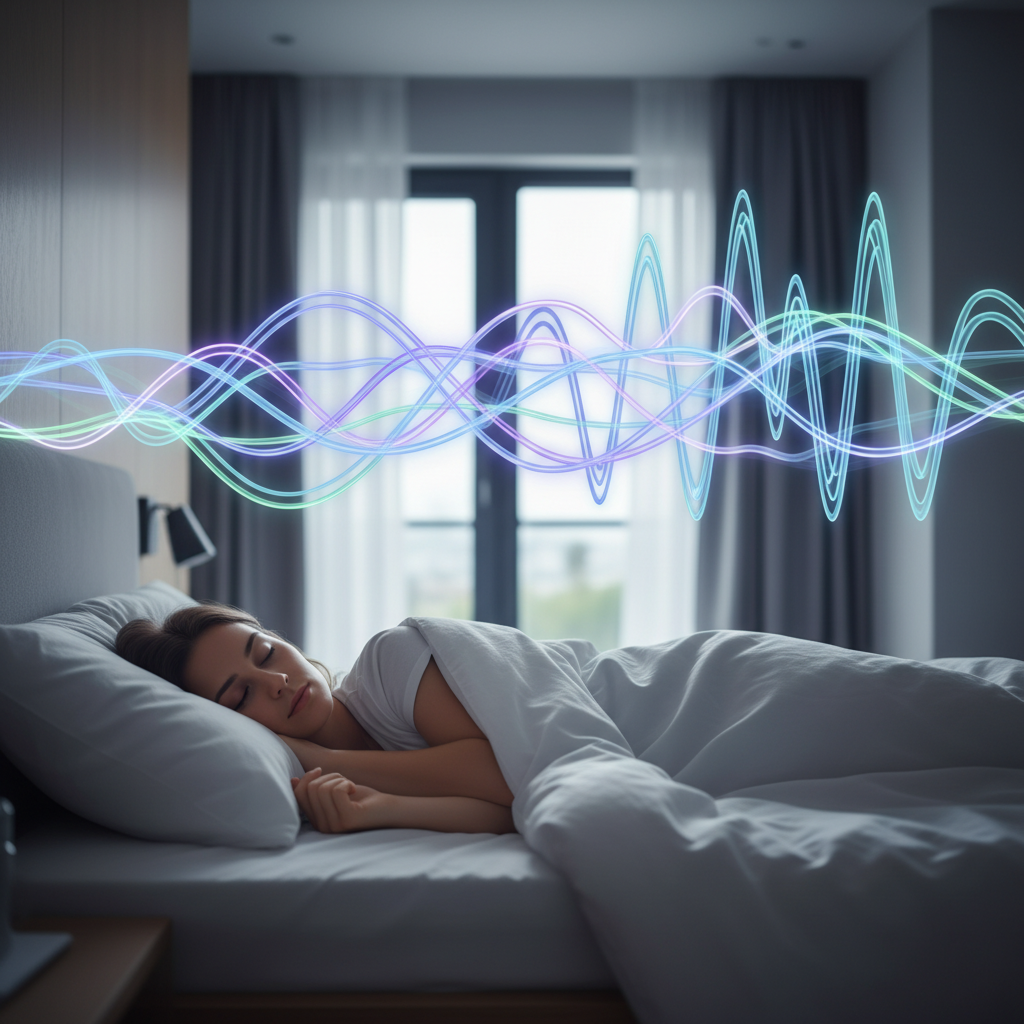
Stage 1 & 2: Light Sleep
The transition from wakefulness to sleep. Heart rate slows, and the body begins to cool. This stage is crucial for sensory processing and motor learning.
Stage 3: Deep Sleep
Also known as slow-wave sleep. This is the stage where the body performs its most significant physical maintenance, including tissue repair and growth hormone release.
REM Sleep
Rapid Eye Movement sleep is where dreaming occurs. It is essential for cognitive functions like memory consolidation and emotional processing.
Sleep is not a monolithic state of inactivity. Instead, it is a highly active physiological process characterized by distinct cycles. Each cycle lasts approximately 90 minutes, and a typical night of rest consists of four to six of these cycles. The distribution of sleep stages changes throughout the night, with deep sleep dominating the first half and REM sleep becoming more prominent in the hours before waking.
The regulation of sleep is governed by two main systems: the circadian rhythm and sleep pressure (adenosine buildup). The circadian rhythm is an internal 24-hour clock that responds to light and dark signals from the environment. Adenosine, a chemical that builds up in the brain while we are awake, creates a "pressure" to sleep that is cleared during the night.
Disruptions to these cycles—whether through environment, behavior, or timing—can have broad implications for cognitive performance and physical vitality. Understanding the structure of sleep allows for more informed decisions regarding daily routines and environment optimization, such as managing light exposure and maintaining consistent sleep-wake times.
Research into sleep architecture continues to reveal its complexity. For instance, the "glymphatic system," which acts as a waste-clearance system for the brain, is primarily active during deep sleep. This highlights the importance of not just the quantity of sleep, but the quality and continuity of the cycles themselves.